

For the past decade, the EV conversation has centered on the battery — range, charging speed, chemistry. But a quieter shift is now underway: automakers are increasingly designing their own AI chips in-house to power driver-assistance and autonomous features, according to recent reporting from InsideEVs. This marks a move from the "battery era" into the "intelligence era" of electric vehicles — one where computing power, not just kilowatt-hours, increasingly defines a car's value.
For everyday EV owners, this might sound like a distant, technical development. But it has real implications for how future vehicles behave — and for how they'll charge.
Why Automakers Are Building Their Own Chips
Historically, most manufacturers relied on third-party suppliers for the processors behind advanced driver-assistance systems. As these systems shift from optional extras to standard equipment, that hardware has become one of the most expensive parts of a modern EV. Building chips in-house lets automakers tailor hardware to their own software and sensors, cutting costs and speeding up development — echoing the same strategy that helped companies scale rapidly in the EV battery race, as Gasgoo's industry analysis notes. Chip ownership doesn't mean escaping the broader semiconductor supply chain, but even partial control over architecture is becoming a real competitive edge.
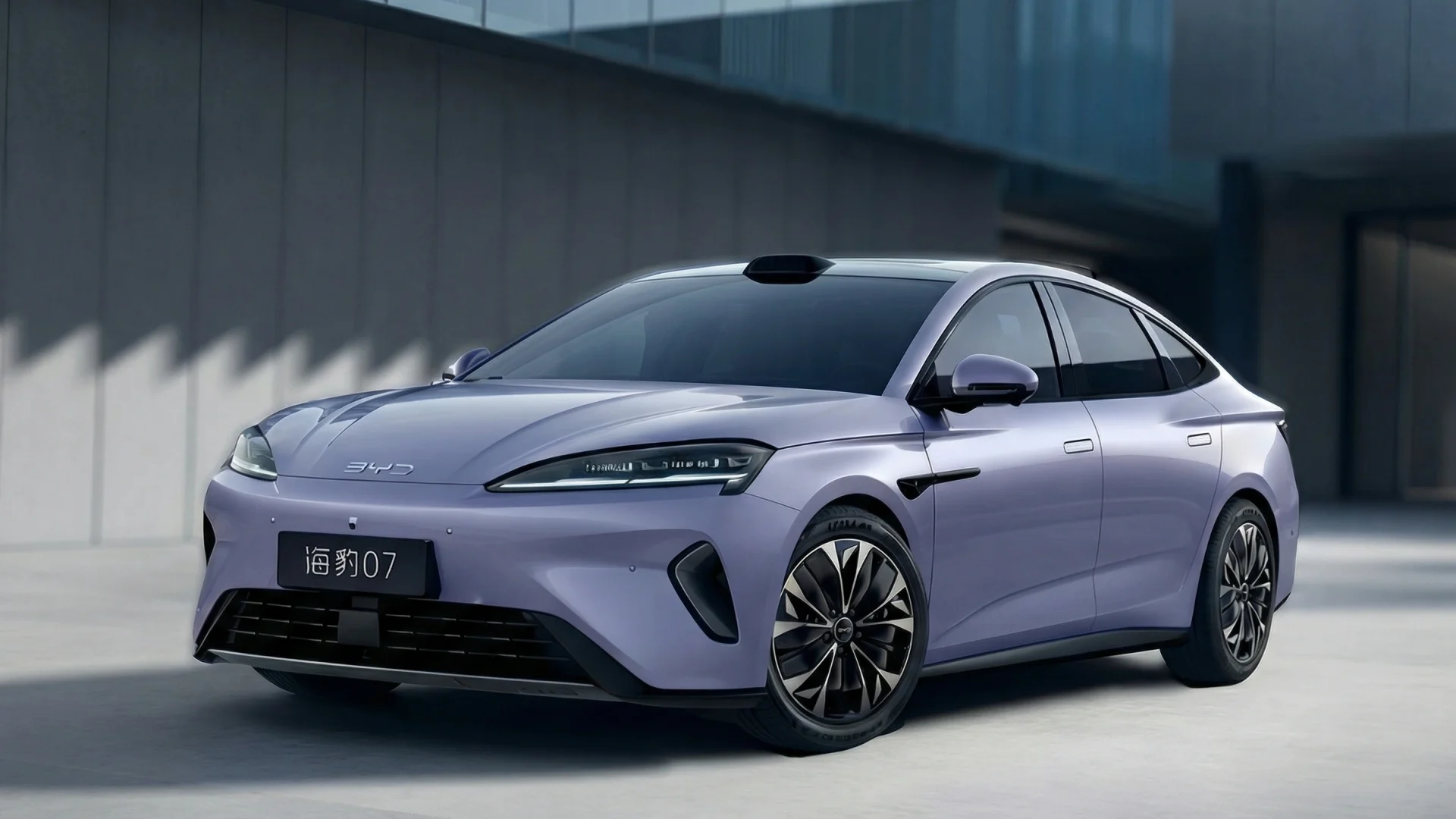
How AI Is Reshaping What an EV Actually Is
More cameras, radar, and sensors mean more real-time data — and increasingly capable onboard AI to process it. Beyond autonomous driving, this intelligence is being used to optimize energy consumption based on driving conditions and habits, and to help vehicles react proactively to changing road conditions. The modern EV is evolving into a connected, learning system rather than a purely mechanical one. And once a vehicle becomes this kind of intelligent platform, that "smart" behavior naturally extends to everything it touches — including how it charges.
Where AI Meets Smart EV Charging
This is the part most relevant to EV owners today. As vehicles get smarter, charging infrastructure needs to keep pace:
- Smart charging optimization — adjusting charging speed and timing based on battery health, electricity rates, and usage patterns, rather than applying a flat rate.
- Energy management — connected EVs sharing real-time battery data so chargers can adjust output dynamically instead of guessing.
- Connected charging experiences — two-way communication between car and charger, turning charging into an ongoing, intelligent interaction rather than a passive plug-in-and-wait task.
- Grid integration — as more intelligent EVs connect simultaneously, charging systems that balance demand and avoid peak-hour strain (and eventually support bidirectional energy flow) become essential.
AI-powered vehicles are, in many ways, the catalyst pushing charging infrastructure to become just as intelligent as the cars themselves.
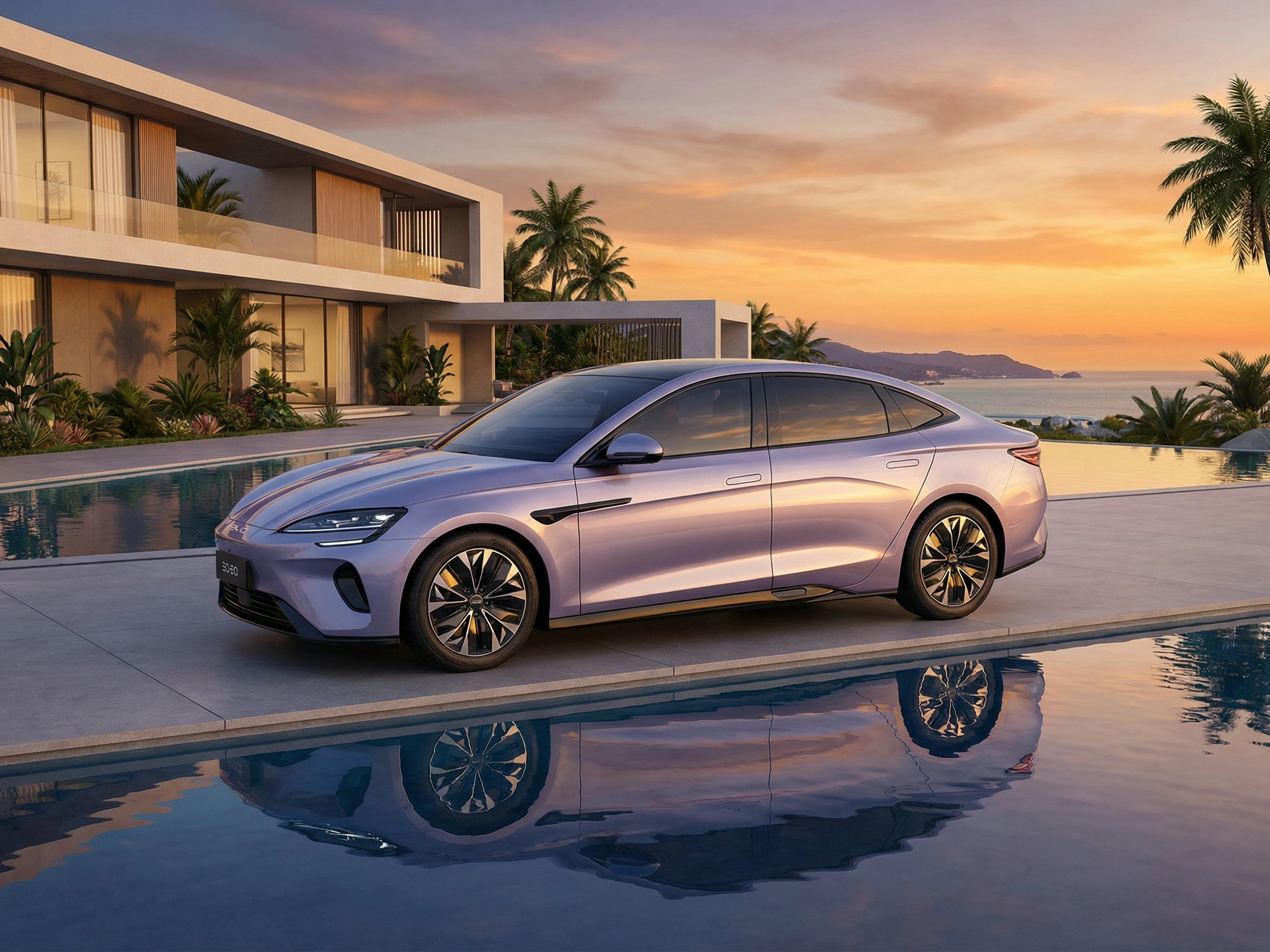
The Emerging Relationship Between Cars and Chargers
As vehicles become more autonomous and data-driven, the car-charger relationship is shifting from a simple power connection into something closer to a partnership. Future EVs won't just need a power source — they'll need a charging companion that understands their energy profile and supports features like scheduled charging, remote monitoring, and integration with home energy systems. Charging equipment built only for basic power delivery won't keep up; the infrastructure of tomorrow needs to be flexible, upgradable, and genuinely intelligent.
Preparing for the Intelligent EV Era with ElevoCharge
This shift toward AI-powered vehicles is a preview of where the entire EV ecosystem is headed. At ElevoCharge, our portable chargers, home charging solutions, and smart charging technology are designed with this future in mind — where charging isn't just about delivering power, but doing so intelligently and in sync with an increasingly connected vehicle.
As the industry moves from the battery era into the intelligence era, having a charging partner that understands where EV technology is headed matters more than ever. Explore our smart home charging solutions to see how ElevoCharge is helping EV owners stay ready for what comes next.