

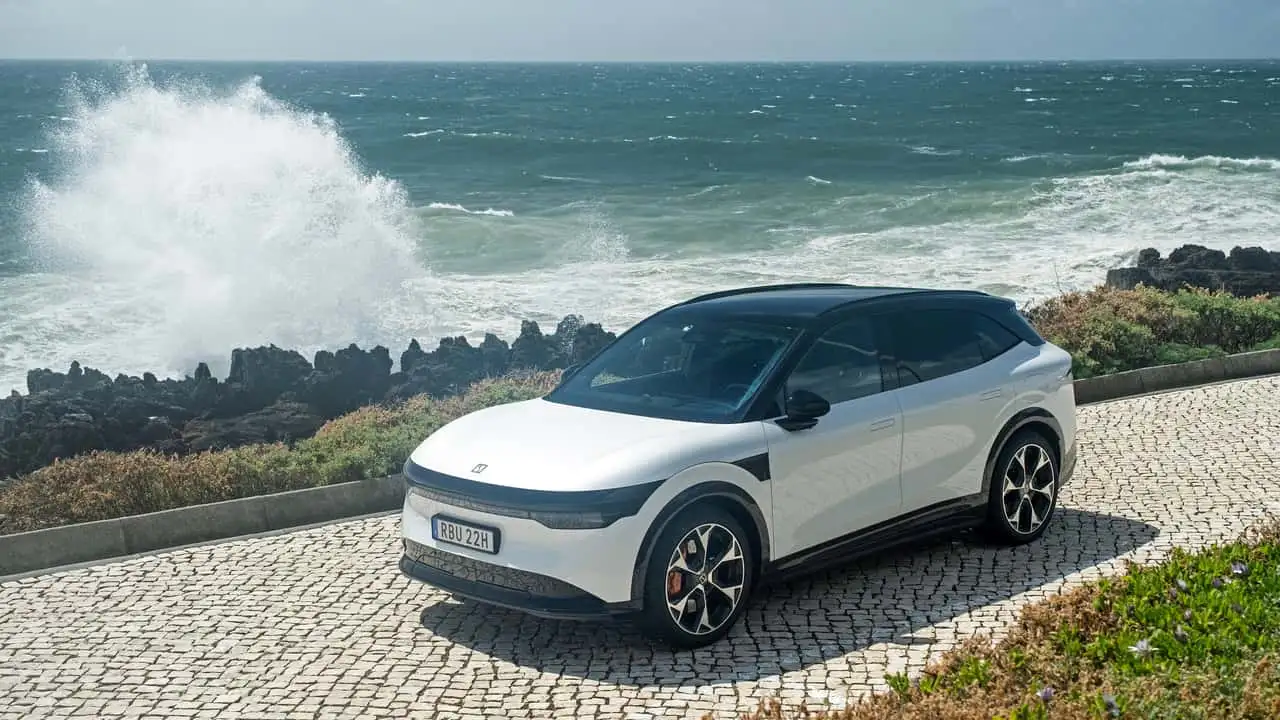
Europe keeps raising the walls, and Zeekr keeps climbing them. Days before the Paris Auto Show, European and Chinese officials announced a deal capping Chinese hybrid and plug-in hybrid imports at 350,000 units a year — fresh restrictions layered on top of the steep EV tariffs Zeekr already pays on models like the 7X.
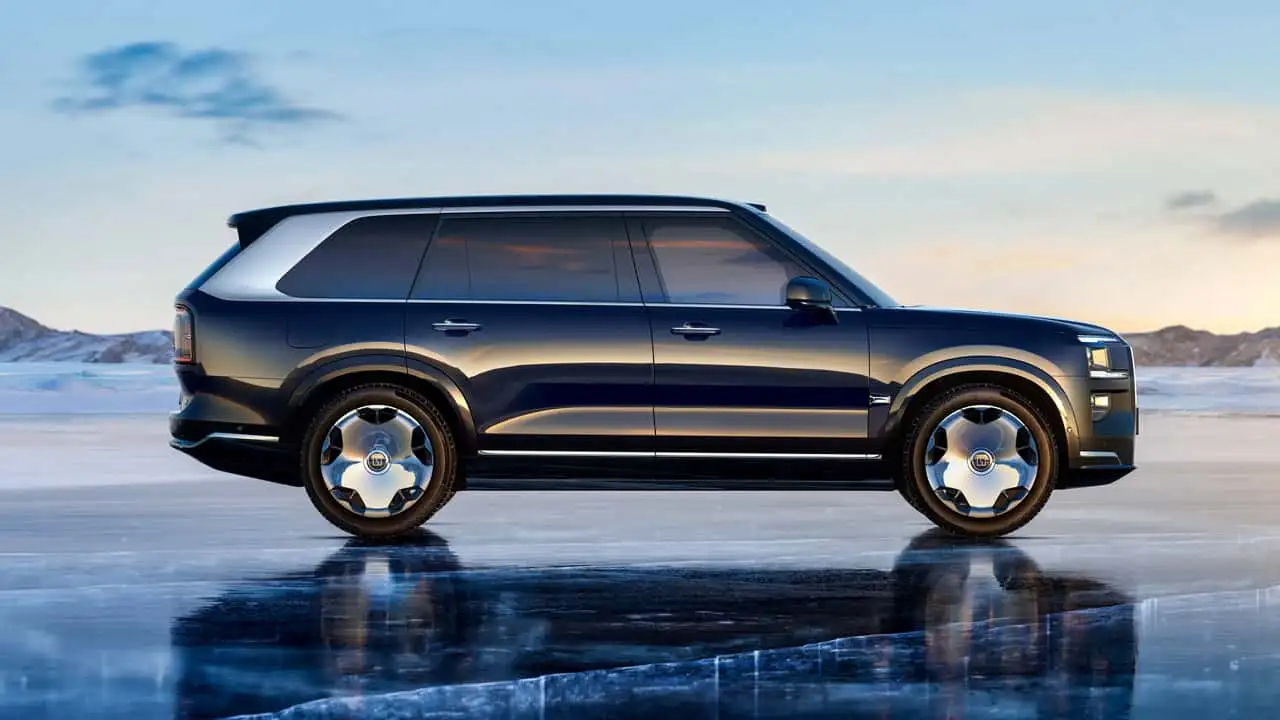
For Lothar Schupet, CEO of Zeekr Europe, the timing couldn't be worse: the brand is launching its 900-horsepower, ultra-luxury plug-in hybrid 9X just as regulators tighten the screws. But in an interview with InsideEVs, Schupet made clear the company isn't going anywhere.
Schupet's Framing: Regulation as a Symptom of Success
Asked about the trade environment, Schupet offered a reframe that's hard to argue with:"Are these discussions and regulations coming because we are so successful, or do we have to deal with these things to get success? I think it's the first one, that everyone is a little bit scared about what is happening and trying to protect."
It's a fair read of the political moment. European auto executives and national politicians have grown increasingly alarmed at their industry's inability to compete with Chinese products on price — even with tariffs in place. For economies already wrestling with sluggish growth and demographic decline, surrendering a high-value manufacturing industry isn't politically palatable. So, like American regulators, European policymakers are reaching for tariffs and technical regulations to buy their domestic industries time.
That's the context in which Zeekr is operating: not a fair fight, but a fight it intends to win anyway.
The New Rules: A 350,000-Unit Hybrid Cap
The latest restriction is specifically aimed at the category where Chinese brands have been gaining fastest. The EU–China agreement caps Chinese hybrid and plug-in hybrid imports at 350,000 units annually — a mechanism separate from the existing EV tariffs, and one that directly touches Zeekr's newest flagship.
The regulatory detail matters commercially because PHEVs have become the growth engine for Chinese brands in Europe. They sidestep some of the tariff pressure applied to pure EVs, appeal to buyers without reliable home charging, and — in the case of vehicles like the 9X — deliver feature content that legacy European flagships struggle to match.
Schupet was candid that the rules remain a moving target: "Regarding the hybrid discussion now, I mean it's still very vague. The regulations are not very clear so far. I cannot put a position or a statement now on how we deal with that. But the EV tariffs have shown to us we will deal with that."
If you're trying to keep the categories straight — and the policy differences between them now carry real money — our guide to BEV vs PHEV vs hybrid vehicles breaks down how each powertrain works and why regulators treat them differently.
What Zeekr Is Betting On: Local Footprint, Not Just Local Sales
Zeekr's response to protectionism isn't lobbying alone — it's embedding itself in the European economy, a strategy Schupet was keen to emphasise:
- Design, R&D and corporate staff employed across multiple European hubs
- A supplier network deeply integrated with European companies
- New use of a Bosch advanced driver assistance system (ADAS) in the 7X — a concrete example of local sourcing rather than Chinese-only content
- 200 dealers today, growing further
- Billions invested across the continent by parent company Geely
"We have a huge supplier network to our cars from Europe already," Schupet said. "We are having collaborations everywhere. We have our footprint invested here. So there is a big economy driver coming from us as the brand, which no one should underestimate."
That framing — jobs, suppliers, dealers — is the argument Chinese automakers are increasingly making in Brussels and Berlin: that they're not just exporters but investors.

200% Growth and a Flagship Europe Can't Match
The commercial case is hard to ignore. Zeekr's European business has grown 200% year over year in 2026, and the product cadence hasn't slowed. The 7X is already a hit; the 9X is a flagship that, in InsideEVs' assessment, German manufacturers simply cannot match on feature content or PHEV technology.
That combination — fast growth plus products competitors can't easily replicate — explains both why Zeekr is confident and why regulators are nervous. The 7X has to overcome steep tariffs, and the 9X now sits under the hybrid cap. Neither is a small obstacle. But as Schupet put it: "We are long term committed in Europe, so we are committed to grow further. We have heavily invested, and we will invest further."
It's worth noting how different this posture is from the American market, where Chinese cars are effectively banned outright. Europe, for all its new guardrails, remains open enough that a brand like Zeekr can plan a decade ahead — which is precisely why it keeps investing.

Why This Matters Beyond One Brand
Zeekr's situation is a preview of the next phase of Chinese automotive expansion in the West. The playbook has shifted from "export cheap cars" to "build local presence, local supply chains and local political capital." That transition has real consequences for buyers:
- More choice in the PHEV segment, even as volumes are capped — the 350,000-unit limit is generous relative to current Chinese PHEV volumes in Europe
- More competition on features, particularly in the large luxury SUV class where the 9X sits
- More pressure on prices, even if tariffs cushion some of it
And, importantly for anyone buying one: these vehicles still need charging. Large PHEVs like the 9X carry substantial battery packs precisely so owners can drive electric most of the time — which makes home charging the difference between a genuinely efficient purchase and an expensive petrol car with extra weight. The same dynamic applies to the wave of Chinese PHEV flagships arriving in Europe, including Avatr's 71 kWh T09 SUV — big batteries, big electric-only ranges, and a real dependence on whether the owner plugs in at home.
The Bottom Line
Tariffs and caps are designed to slow Chinese brands down. Zeekr's response — local hiring, local suppliers, local partnerships, and a flat refusal to retreat — suggests the policy may manage the pace of their expansion without reversing it. With 200% growth, a hit in the 7X and a flagship in the 9X that European rivals can't yet answer, the company has earned the confidence its CEO projects.
"We're all sitting in one boat in the automotive industry," Schupet said. Whether Brussels agrees is the open question of 2027.
FAQ
What is the EU's new cap on Chinese hybrids?
European and Chinese officials agreed to limit imports of Chinese hybrid and plug-in hybrid vehicles to 350,000 units per year — a restriction separate from existing tariffs on Chinese EVs.
How is Zeekr responding to European tariffs?
By investing locally: European design and R&D hubs, European suppliers (including Bosch ADAS technology in the 7X), 200 dealers and continued investment from parent company Geely. Zeekr says it remains "long-term committed" to Europe.
How fast is Zeekr growing in Europe?
Zeekr's European business grew 200% year over year in 2026, with the 7X selling strongly and the 900-horsepower PHEV 9X launching as a flagship.
Is the Zeekr 9X affected by the hybrid cap?
Yes — as a plug-in hybrid, the 9X falls under the 350,000-unit annual cap on Chinese hybrid and PHEV imports into the EU, alongside the existing tariff regime.