

Tesla is changing how driver assistance features are packaged on the Model Y in North America, moving Autosteer away from the vehicle's standard driver assistance package and into its Full Self-Driving (Supervised) system.
The change is part of a broader shift in the automotive industry, where software is becoming increasingly important to how vehicle features are delivered. It also creates an interesting comparison with conventional vehicles such as the 2026 Toyota Corolla, which includes several driver assistance functions as part of its standard Toyota Safety Sense 3.0 package.
Tesla Model Y Moves Autosteer Behind FSD
The Tesla Model Y continues to offer several active safety technologies as standard equipment.According to Tesla's official Model Y information, standard safety features include Forward Collision Warning, Active Emergency Braking and Lane Departure Avoidance, while Traffic-Aware Cruise Control remains available as part of the vehicle's driver assistance system.
The major change concerns Autosteer.Autosteer provides steering assistance designed to help keep the vehicle centered within detected lane markings. On affected new Model Y configurations, access to Autosteer is now connected to Tesla's Full Self-Driving (Supervised) package rather than being included in the basic driver assistance package.
This creates a clearer separation between the Model Y's standard safety technology and its more advanced software-based driving assistance functions.
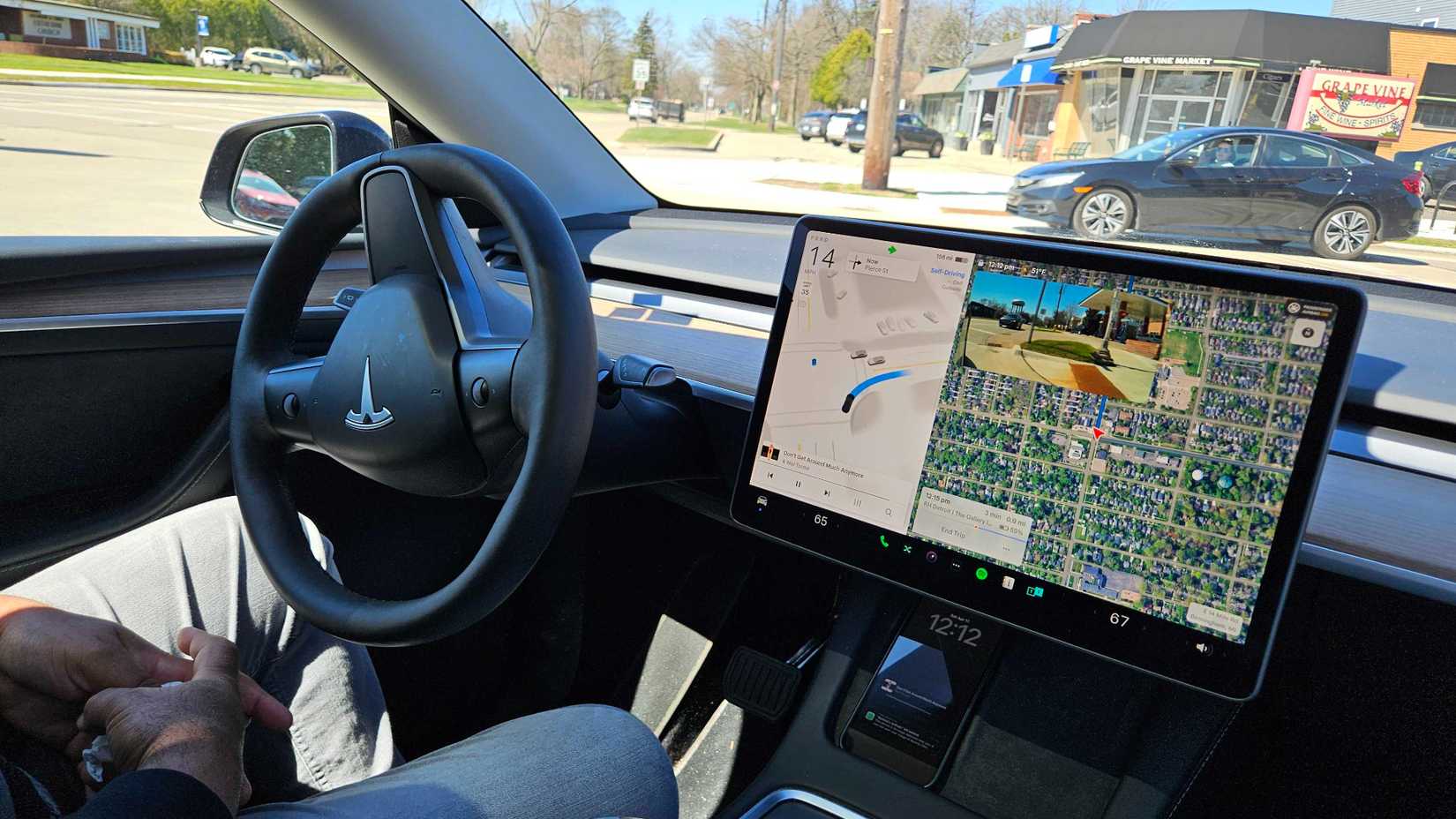
Full Self-Driving Does Not Mean Full Autonomy
Tesla's Full Self-Driving system sits above the vehicle's basic driver assistance functions and provides access to additional capabilities.
However, Tesla does not describe FSD as a fully autonomous driving system. According to Tesla's official Full Self-Driving information, the system requires active driver supervision.
The driver must remain attentive and be prepared to take control of the vehicle when necessary.For Model Y buyers, this distinction is important. Having access to FSD does not remove the driver's responsibility, and the name of the package should not be confused with a vehicle capable of operating without human supervision.
How the 2026 Toyota Corolla Takes a Different Approach
The difference becomes more noticeable when the Model Y is compared with the 2026 Toyota Corolla.Toyota includes its Toyota Safety Sense 3.0 system as standard equipment on the 2026 Corolla. According to Toyota's official Corolla specifications, the package includes several driver assistance technologies.
These include:
-
Pre-Collision System with Pedestrian Detection
-
Dynamic Radar Cruise Control
-
Lane Departure Alert with Steering Assist
-
Lane Tracing Assist
-
Road Sign Assist
-
Automatic High Beams
Lane Tracing Assist is particularly relevant to the Model Y comparison because it provides steering assistance intended to help keep the Corolla positioned within detected lane markings under appropriate conditions.
Dynamic Radar Cruise Control also provides adaptive cruise functionality by helping maintain a preset distance from vehicles ahead.
The important difference is therefore not simply which vehicle has driver assistance technology. It is how those functions are packaged and accessed.
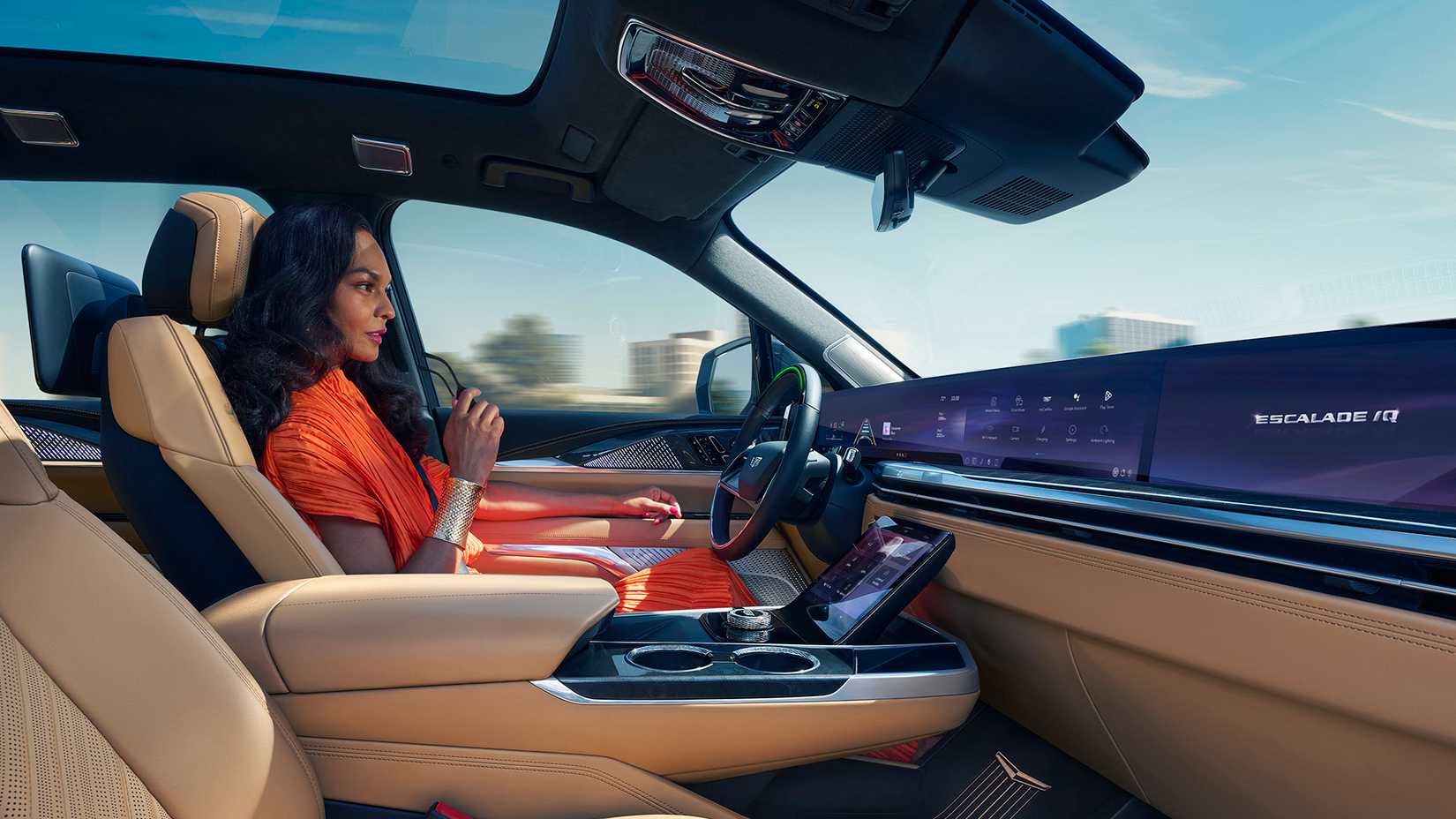
Standard Features vs. Software Packages
The Model Y and Corolla demonstrate two different approaches to driver assistance.The Model Y provides a collection of standard active safety functions, while certain more advanced assistance capabilities are connected to Tesla's FSD software package.
The Corolla, meanwhile, places a broader group of conventional driver assistance features inside its standard Toyota Safety Sense 3.0 system.This does not mean that the two vehicles have identical systems or that one manufacturer's technology can be directly equated with another's.Different manufacturers use different sensors, software, operating conditions and system definitions. A feature such as lane assistance can also behave differently between vehicles.
For consumers, however, the distinction is straightforward: some features are included with the vehicle, while others may require an additional software package.
The Growing Role of Software in Modern Cars
Tesla's Model Y strategy reflects a wider development across the automotive industry.Modern vehicles are increasingly software-defined, allowing manufacturers to change functionality through software updates and offer additional capabilities after the initial vehicle purchase.
This approach can give automakers more flexibility when designing different vehicle packages. Instead of installing completely different hardware for every feature level, some functions can be controlled through software.
For consumers, however, this also means that the advertised technology of a vehicle may not tell the complete story.A buyer may need to check whether a particular function is included as standard equipment, available as an optional purchase or connected to a recurring subscription.
Why This Matters for EV Buyers
Driver assistance is becoming an increasingly important part of the EV ownership experience.When comparing vehicles such as the Model Y and Corolla, buyers may want to look beyond general descriptions such as "advanced driver assistance" and check the exact functions included with the specific vehicle.
For example, a buyer who primarily wants adaptive cruise control and lane-centering assistance may have different considerations from someone interested in Tesla's broader FSD capabilities.
The cost structure can also become part of the ownership equation when additional functions depend on software subscriptions.This is particularly relevant as automakers continue experimenting with different ways to sell and activate vehicle features.
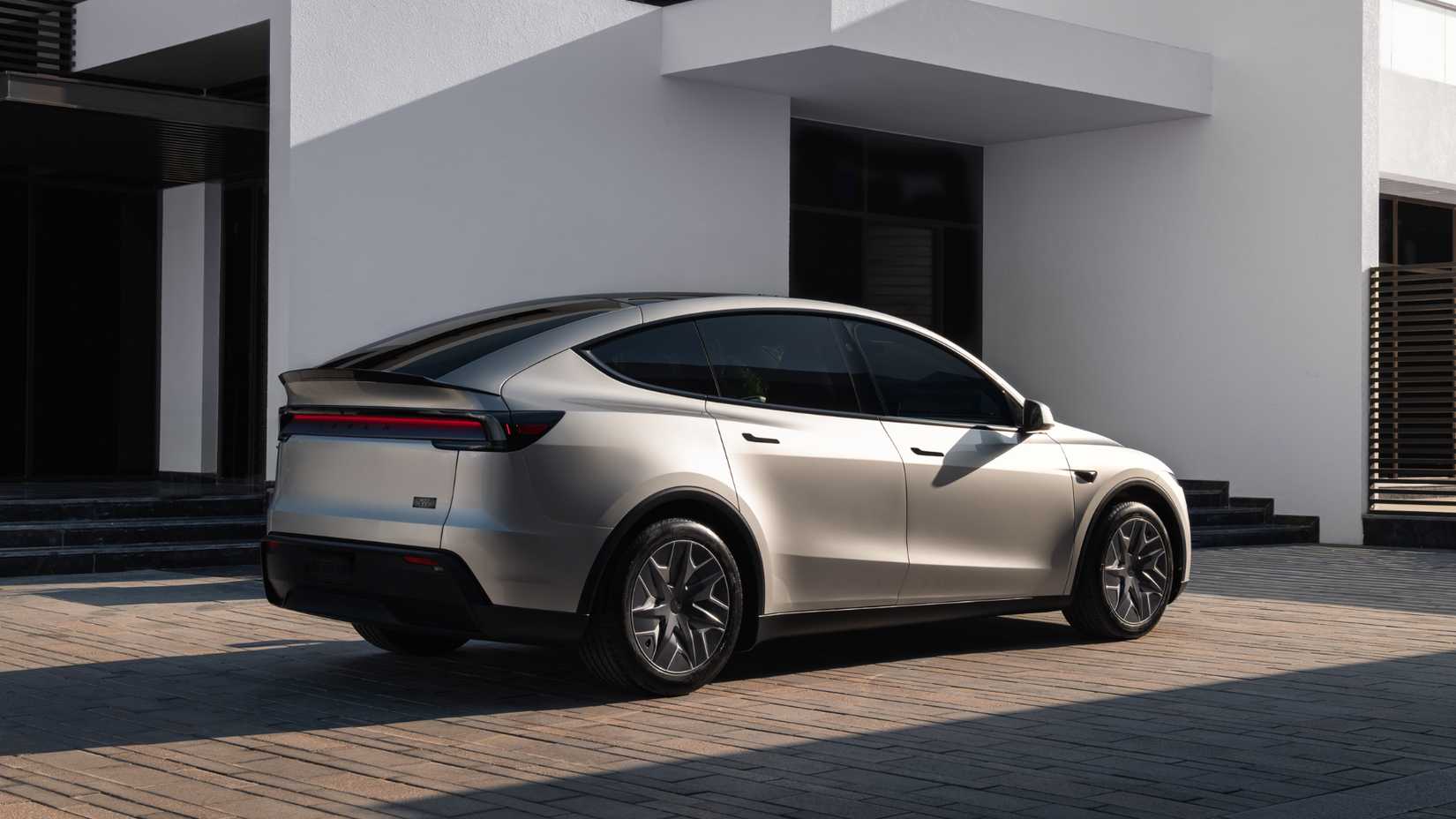
Safety Technology Continues to Evolve
The changes to the Model Y do not mean that Tesla has removed its core safety systems.Automatic emergency braking, forward collision warning and other active safety technologies continue to play an important role in helping drivers identify and respond to potential hazards.
Regulatory testing is also evolving alongside these systems. The National Highway Traffic Safety Administration (NHTSA) has expanded its evaluation of advanced driver assistance technologies, including systems related to pedestrian automatic emergency braking, lane keeping and blind-spot detection.
These developments show that driver assistance is becoming a larger part of how modern vehicles are evaluated and marketed.At the same time, these technologies remain assistance systems rather than replacements for an attentive driver.
What This Means for the Future of Vehicle Features
Tesla's decision to move Autosteer further into FSD illustrates a broader question facing the automotive industry: how much vehicle technology should be included in the purchase price, and how much should be delivered through software?
As vehicles become increasingly connected and software-defined, consumers may see more examples of features being separated into different equipment levels or software packages.
For automakers, this creates additional flexibility in product planning and feature distribution.For buyers, it makes it increasingly important to understand not only what technology a vehicle supports, but also what is available at the time of purchase and what requires an additional payment.
Final Takeaway
The latest Tesla Model Y changes highlight how quickly driver assistance is becoming intertwined with vehicle software.The Model Y continues to provide a range of standard active safety technologies, while Autosteer on affected configurations is tied to Tesla's Full Self-Driving (Supervised) package.
The 2026 Toyota Corolla takes a different approach by including Lane Tracing Assist, Dynamic Radar Cruise Control and other functions within its standard Toyota Safety Sense 3.0 package.The comparison is less about which system is better and more about how modern automakers are choosing to package driver assistance.
As software becomes a larger part of the vehicle ownership experience, consumers will increasingly need to look beyond the vehicle's headline specifications and check exactly which features are included as standard, which require an optional package and whether any additional recurring costs apply.