

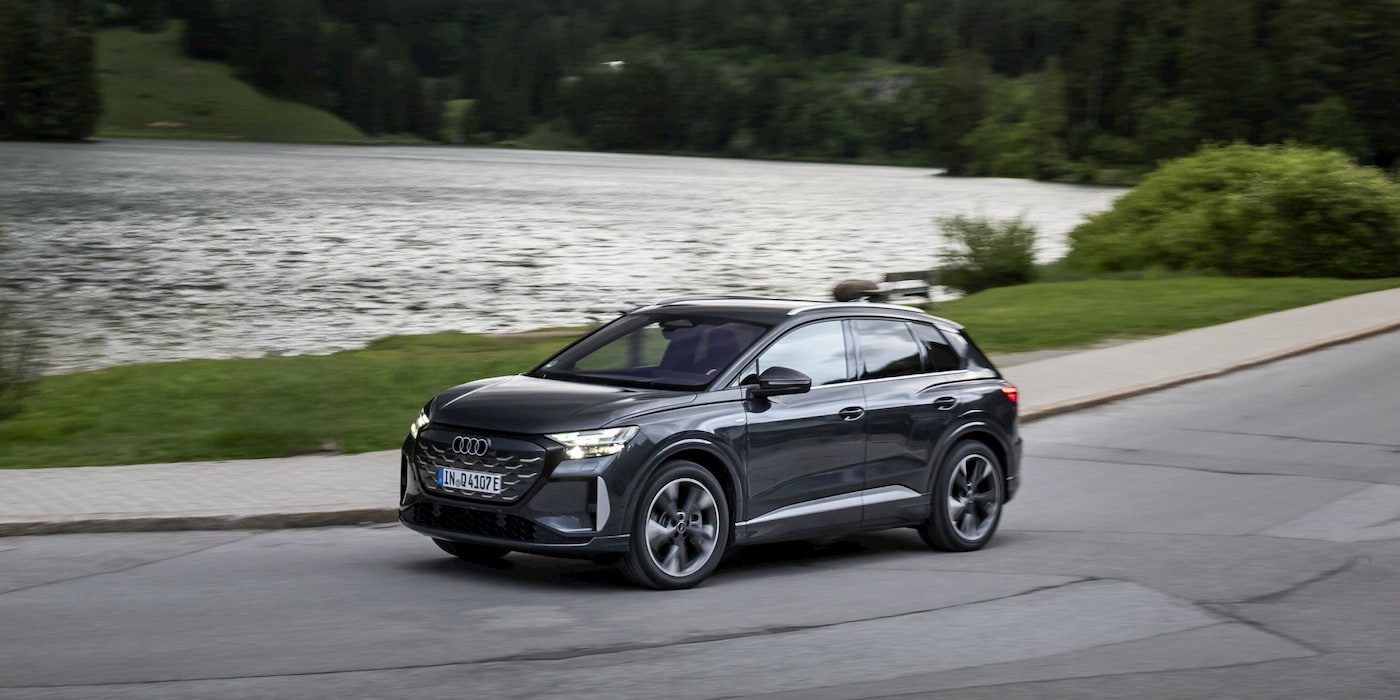
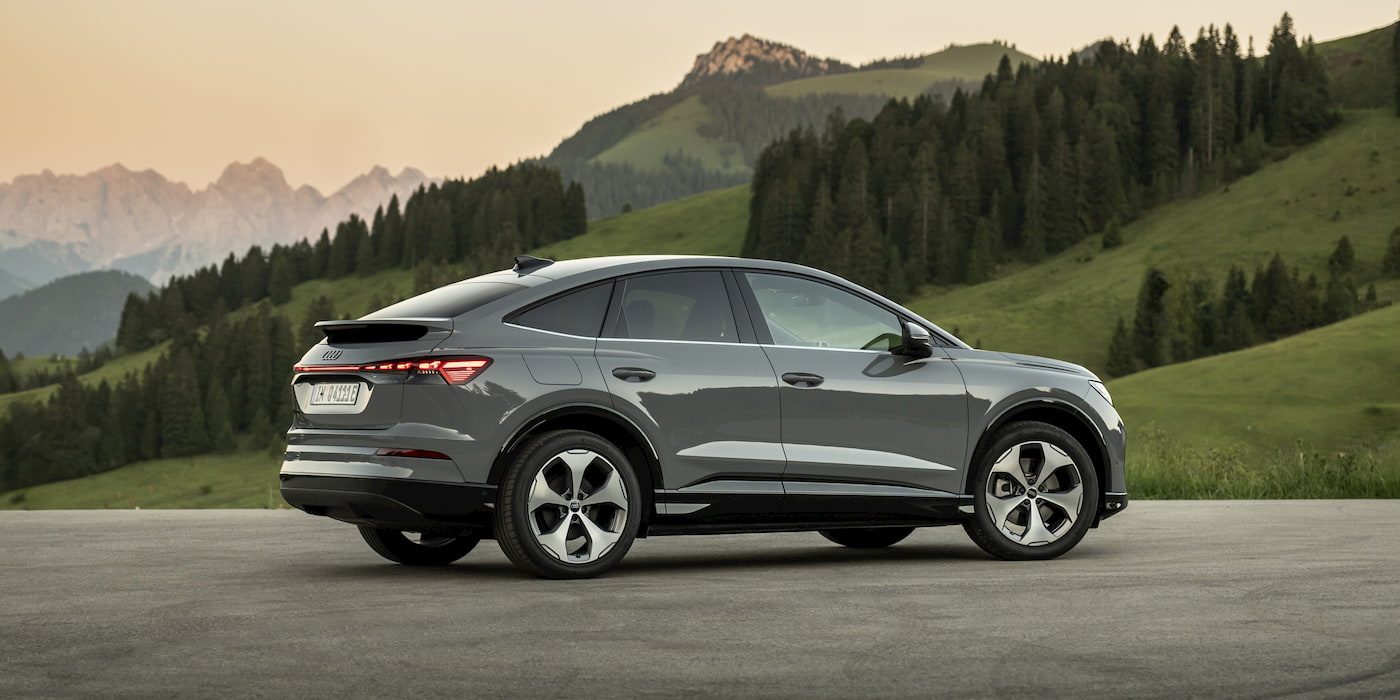
Volkswagen Group's battery recall problem keeps growing. What began as a recall of 22,524 ID.4 electric SUVs in early October has now spread across the group's brands — and on October 27, Audi was formally added, with 12,734 Q4 E-Tron and Q4 Sportback E-Tron vehicles joining the recall. The total now stands at 85,402 EVs worldwide.
At the center of it all is a piece of advice that every EV owner — not just those affected — should understand: limit charging to 80% of battery capacity until a remedy is available. Here's what's happening, why the 80% limit matters, and what this episode teaches about EV battery safety and charging habits.
The Recall at a Glance
Volkswagen Group's battery-related recalls have expanded in three waves, now under investigation by Germany's Federal Motor Transport Authority (KBA):
|
Wave |
Vehicles |
Scope |
|
Early Oct 2026 |
22,524 VW ID.4 (US, model years 2023–2026) |
NHTSA recall |
|
Mid-Oct 2026 |
72,668 VW Group EVs worldwide (incl. 9,881 in Germany) |
KBA recalls — ID. Buzz, ID.3, ID.4, ID.7 (2022–2025) and Cupra Born (2022–2024) |
|
Oct 27, 2026 |
12,734 Audi Q4 E-Tron & Q4 Sportback E-Tron globally (9,048 in the US, model years 2024–2025) |
NHTSA campaign 26V698, recall 93SK |
All three waves trace back to the same underlying issue: batteries produced with the same manufacturing characteristics across VW Group's electric platforms.
What's Actually Going Wrong
According to the safety recall report Volkswagen filed with the NHTSA, the risk is thermal propagation — heat spreading through battery cells — under specific conditions:"Certain charging profiles combined with a state of charge over 80% may trigger thermal propagation."
In plain language: charging affected vehicles above 80% state of charge, under certain charging patterns, can cause cells to overheat — and in the worst case, potentially start a fire. Audi has confirmed its Q4 E-Tron uses the same batteries with the same production characteristics as the affected VW Group vehicles, with the majority produced for the North American market.
Importantly, the root cause is still unknown, and Audi reports no claims, crashes, fires, injuries or deaths associated with the Q4 E-Tron battery issue so far. This is a preventive recall — but a serious one.
Why 80%? The Science Behind the Limit
The 80% threshold isn't arbitrary. Battery cells operate under more stress at high states of charge: cell voltages rise, heat generation increases, and any manufacturing defect has less margin for error. It's the reason every EV owner should already be thinking about charge levels — and why the guidance in this recall aligns with what battery researchers have long recommended for daily driving anyway.
For context on what normal battery aging looks like versus defect-driven risk, our guide to EV battery degradation after 3, 5 and 10 years breaks down expected capacity loss by chemistry and usage pattern. And for owners wondering about environmental stress, our guide to charging an EV in rain, snow and extreme heat covers what's actually safe — heat management is central to both stories.
What Affected Owners Should Do
Volkswagen and Audi have moved quickly with interim measures:
- Temporary charge limit: VW applied (or is applying) a temporary vehicle setting limiting charging to 80%, unless owners opted out by October 21
- Dealer diagnostics: US Audi owners can visit an authorized dealer for a battery diagnostic check; if needed, the dealer will impose the temporary 80% state-of-charge limit
- Notification timeline: Audi expects to mail interim letters notifying owners of safety risks on December 18, 2026, with additional letters to follow once a remedy is available
- Contact points: Audi customer service at 1-800-253-2834 (recall number 93SK); the NHTSA hotline at 1-888-327-4236 or nhtsa.gov (campaign number 26V698)
The most important advice for owners of any affected model: apply the 80% limit now, and don't wait for the remedy. Charging to 80% costs a portion of daily range — an acceptable trade-off compared with the alternative risk.
Déjà Vu: The Chevy Bolt Precedent
Long-time EV owners will recognize the pattern. The Chevrolet Bolt battery recall (2020–2021) followed a similar arc: defect identified, charging limits imposed, root cause investigated, and eventually — after significant pressure — full battery pack replacements for affected vehicles. That episode also foreshadowed a consequence many owners overlook: selling a vehicle under an open battery recall is effectively off the table until the remedy is complete, as affected buyers and resellers now steer clear.
VW Group's scale makes this episode larger — 85,402 vehicles and counting — but the playbook, and the owner frustration documented in early comments on the news, look familiar.
The Bigger Picture for VW Group
The timing is awkward for Volkswagen, which is in the middle of an aggressive EV push — including launching models like the ID. UNYX 09 in China at aggressive prices and expanding its EV family worldwide. A battery recall spanning ID.3, ID.4, ID.7, ID. Buzz, Cupra Born and Audi Q4 models touches the heart of that strategy.
The mitigating factors: no reported fires or injuries so far, a clearly communicated interim remedy, and a defined (if slow) notification schedule. How quickly VW identifies the root cause and delivers a permanent fix will determine whether this becomes a manageable episode or a Bolt-scale saga.
Lessons for Every EV Owner — Not Just VW's
Whatever brand you drive, this recall reinforces charging practices worth adopting regardless:
- Make 80% your daily default. Unless you need the full range for a trip, charging to 80% reduces cell stress and extends battery life. Save 100% for travel days.
- Mind heat, the silent battery killer. High states of charge plus high temperatures are the most stressful combination for lithium-ion cells. Park and charge in the shade when possible; read our hot weather charging guide for the full picture.
- Prefer AC charging for daily sessions. DC fast charging is for road trips, not daily routine — our guide to AC vs DC charging explains why gentler, slower charging keeps batteries healthier.
- Stay informed about recalls. Register your vehicle with the manufacturer and check nhtsa.gov periodically — recall mail is slow, software-based interim fixes arrive faster.
The Bottom Line
An 85,402-vehicle recall across three VW Group brands is a significant event — but also a demonstration of how EV battery safety is supposed to work: defect suspected, interim limits applied, regulators engaged, owners informed. For affected owners, the 80% charge limit is an inconvenience, not a crisis. For everyone else, it's a free masterclass in why charging habits — not just the charger you buy — determine how long your battery lasts.
Frequently Asked Questions
Which vehicles are included in the VW battery recall?
The recall spans 85,402 EVs worldwide: VW ID. Buzz, ID.3, ID.4 and ID.7 (2022–2025), Cupra Born (2022–2024), and Audi Q4 E-Tron and Q4 Sportback E-Tron (12,734 globally, 9,048 in the US, model years 2024–2025).
Why should affected vehicles charge to only 80%?
VW's NHTSA filing states that "certain charging profiles combined with a state of charge over 80% may trigger thermal propagation" — heat spread through battery cells that could, in the worst case, cause a fire. The root cause is still under investigation.
What should Audi Q4 E-Tron owners do?
US owners can visit an authorized Audi dealer for a battery diagnostic check and a temporary 80% charge limit. Interim notification letters mail from December 18, 2026. Contact Audi at 1-800-253-2834 (recall 93SK) or NHTSA at 1-888-327-4236 (campaign 26V698).
Is charging to 80% bad for my EV battery in general?
No — the opposite. Charging to 80% for daily use reduces cell stress and extends battery life for all EVs. Most manufacturers recommend 80% daily charging, reserving 100% for long trips.